July 1, 998
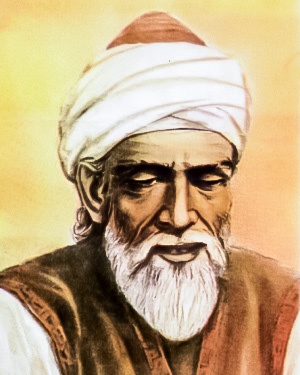
Mathematician and astronomer Abu’l-Wafa dies. He introduced the tangent function, improved methods for calculating trigonometric tables, and discovered the sine formula for spherical geometry
July 2, 1914
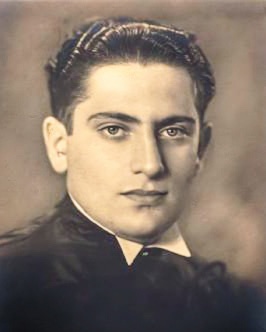
Mário Schenberg is born. He is recognized as Brazil’s most important theoretical physicist. His essential contributions to understanding stars are especially well-known
July 3, 1886
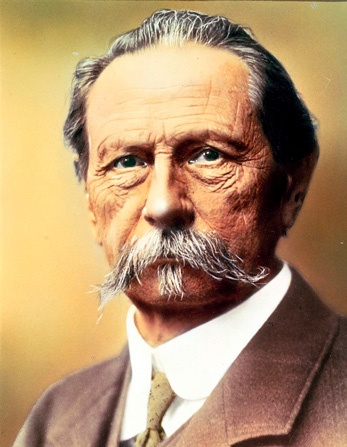
Karl Benz officially patents the Benz Patent Motorwagen, considered the first self-propelled automobile with an internal combustion engine
July 4, 1956
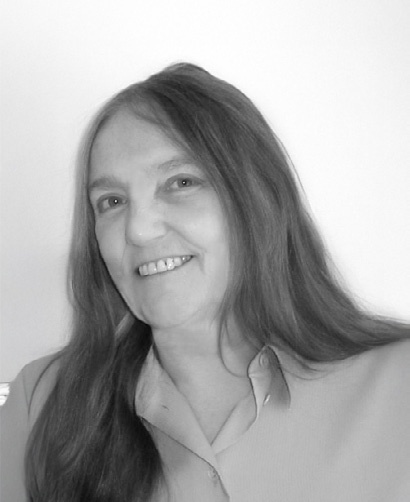
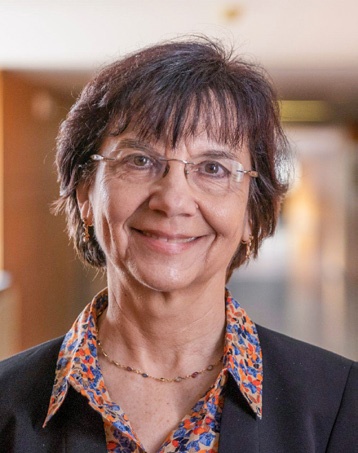
Mathematician Carme Torras Genís is born. A specialist in artificial intelligence and robotics, she combines her research on assistive robotics with literary writing and technoethics
July 5, 1906
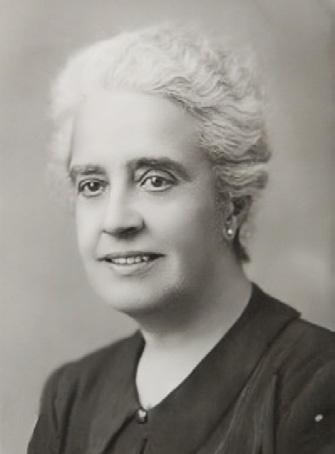
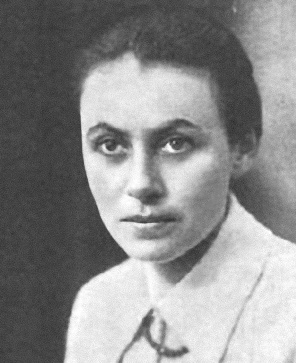
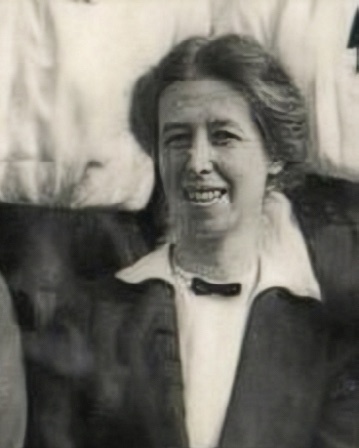
Petrologist Ljudmila Dolar Mantuani is born. She published extensively on concrete technology and factors related to aggregate quality
July 6, 1985
The African Academy of Sciences (AAS) is established in Nairobi, Kenya, as a Pan-African institution dedicated to advancing science in Africa

July 7, 1899
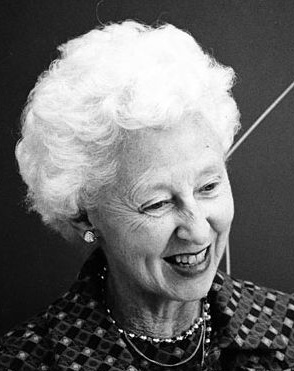
Physiologist and toxicologist Anna Baetjer is born. She investigated how industrial work affects women’s health and proposed improvements in safety and working hours (due to women´s domestic responsibilities)
July 8, 2021
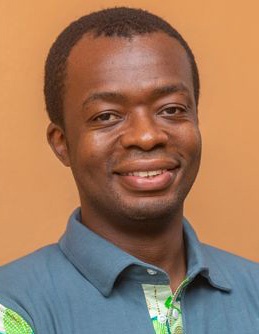
Chemical engineer Noël N’Guessan wins the Africa Prize for Innovation in Engineering for the Kubeko´s system. This system manages crop byproducts and transforms them into compost and gas
July 9, 1926
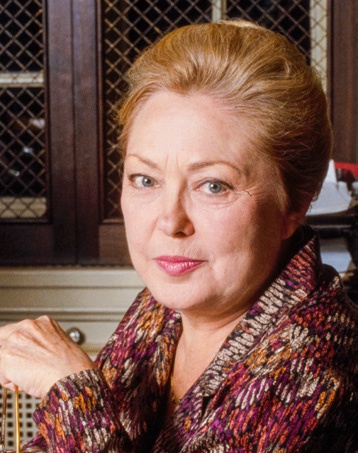
Physician Mathilde Krim is born. She was a member of the team that first developed a method for prenatal sex determination
July 10, 1724
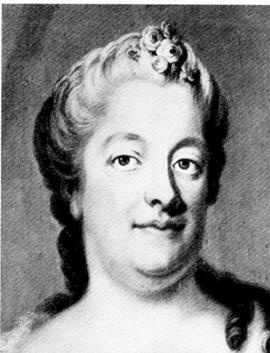
Agronomist and scientist Eva Ekeblad is born. She discovered how to make flour and alcohol from potatoes, helping to combat famine. She was the first woman to be elected to the Royal Swedish Academy of Sciences
July 11, 1811
Scientist Amedeo Avogadro publishes an essay on the molecular content of gases. His hypothesis would lead to Avogadro’s Law, fundamental to modern chemistry
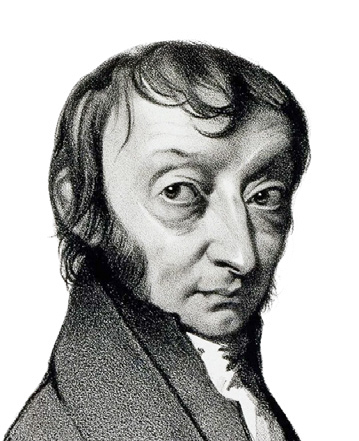
July 12, 1863
Physician Albert Calmette is born. He discovered, along with veterinarian Camille Guérin, an attenuated form of Mycobacterium tuberculosis that was used in the tuberculosis vaccine
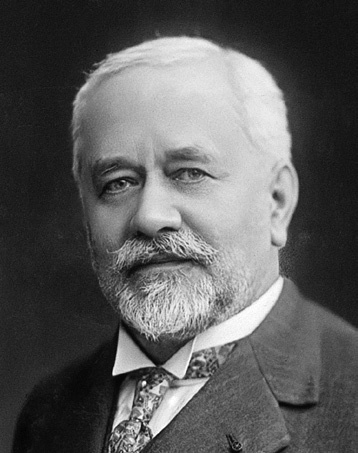
July 13, 2023
Sara García Alonso receives the Ada Byron Award for Women in Technology. This molecular biology researcher is also a member of the European Space Agency’s astronaut reserve
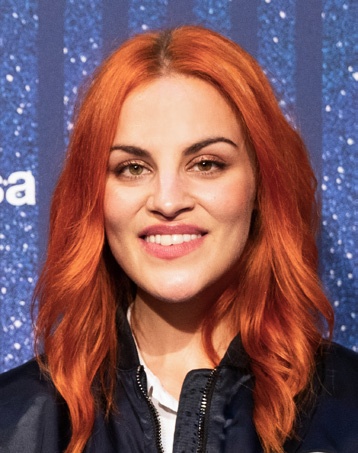
July 14, 1960
Jane Goodall arrives at the Gombe Stream Reserve (Tanzania) to begin her groundbreaking study of chimpanzee behavior in the wild
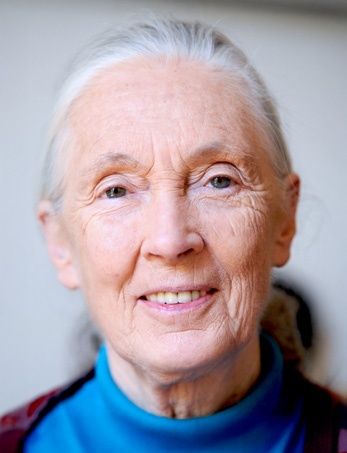
July 15, 1793
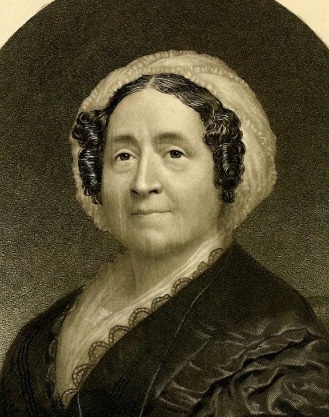
Botanist Almira Lincoln Phelps is born. Her writings on botany influenced other women of the time who dedicated themselves to this science, such as Eunice Newton Foote
July 16, 1962
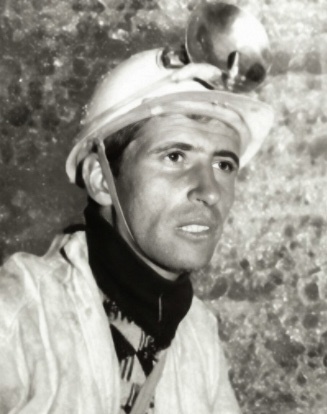
Explorer Michel Siffre ventures into a cave to conduct a pioneering experiment in chronobiology and time perception. He emerged two months later believing only 35 days had passed
July 17, 1873
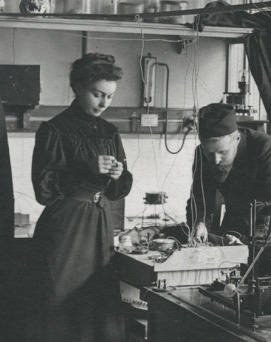
Neurophysiologist Marcelle Lapicque is born. She is known for her research on nerve impulses (chronaxie) and the effects of poisons, especially strychnine, on chronaxie
July 18, 1853
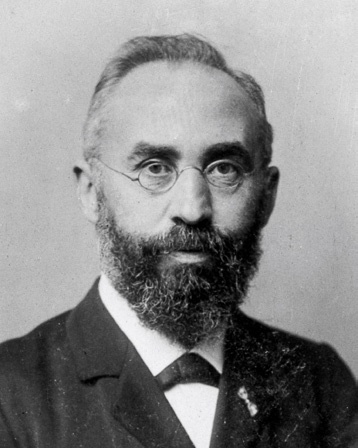
Physicist Hendrik Lorentz is born. He was awarded the Nobel Prize in 1902 for his research on the influence of magnetism on electrical phenomena
July 19, 2018
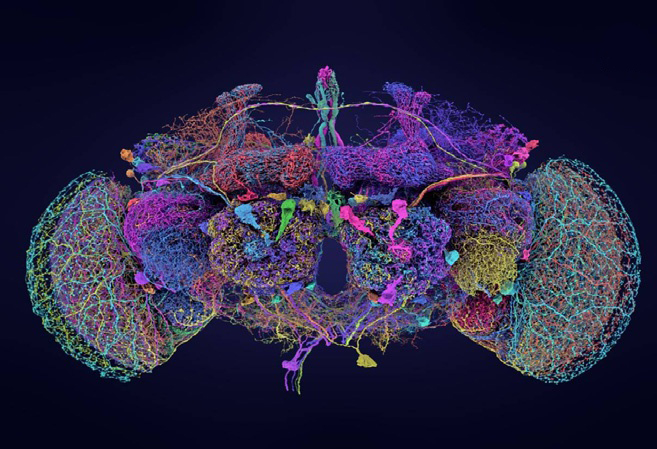
The first complete brain map of a fruit fly (Drosophila melanogaster) with nanometer resolution is published, using 7,000 slices and 21 million images
July 20, 1896
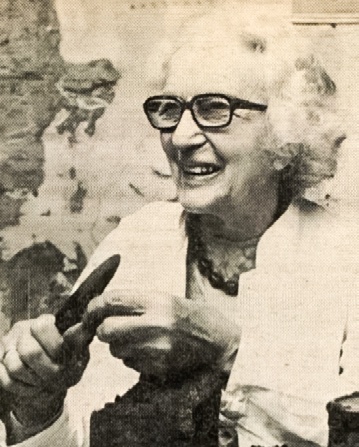
Geologist Ellen Louise Mertz is born. She conducted pioneering research for Danish State Railways that served as the basis for the construction of the old Little Belt Bridge
July 21, 2000
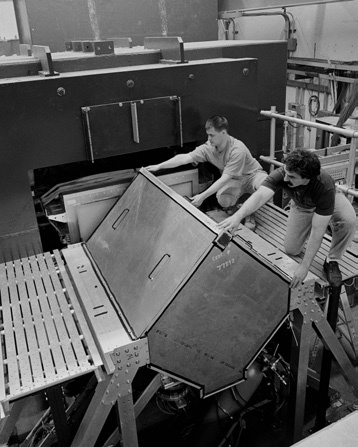
The Fermilab DONUT experiment shows, for the first time, tau neutrino interactions captured on emulsion plates, confirming the existence of this particle
July 22, 1946
An International Conference is held where it is decided to create the World Health Organization (WHO) as a global organization to improve public health

July 23, 1999
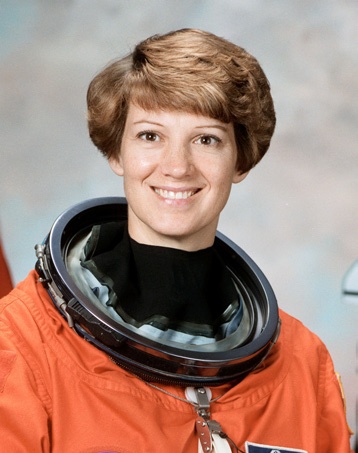
Eileen Collins becomes the first woman to command a NASA space shuttle mission ( Columbia´s STS-93 mission)
July 24, 1874
Chemist Ruth Pirrett is born. Along with Frederick Soddy, she investigated the chemistry of radioactive elements. Her research contributed to the understanding of radioactive decay
July 25, 2005
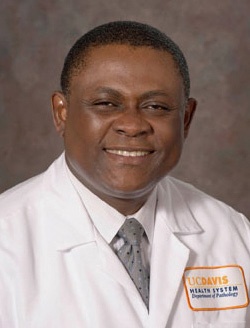
Forensic pathologist Bennet Omalu publishes his discovery of chronic traumatic encephalopathy (CTE) in American football players, marking a milestone in sports medicine
July 26, 1919
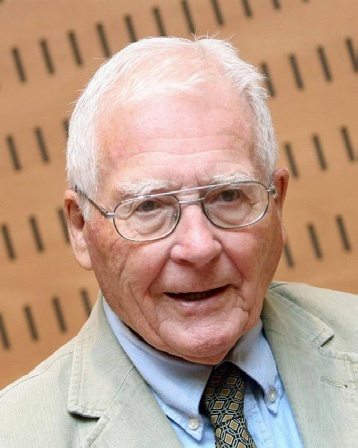
James Ephraim Lovelock, physician, meteorologist, writer, inventor, atmospheric chemist, and environmentalist, famous for the Gaia hypothesis, which envisions the Earth as a self-regulating system, is born
July 27, 1921
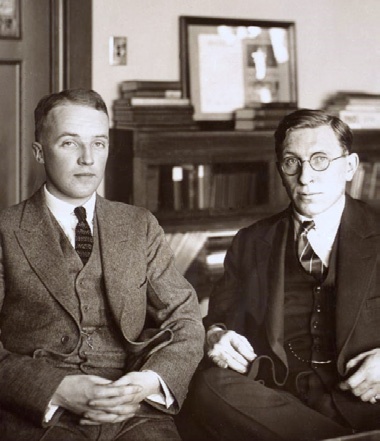
Physicians Frederick Banting and Charles Best succeed in isolating and purifying insulin from dog pancreas. They released their patent for the benefit of humanity
July 28, 1966
Chemist Sossina M. Haile is born. A researcher in the field of materials science. She is known for developing the first batteries or solid acid fuel cells

July 29, 1939
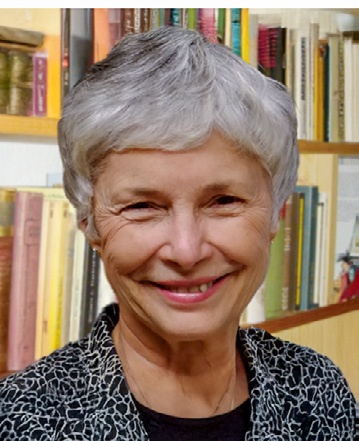
Biologist Marion J. Lamb is born. She studied the effect of environmental conditions—such as heat, radiation, and pollution—on the metabolic activity and genetic variability of the fruit fly Drosophila