September 1, 1875
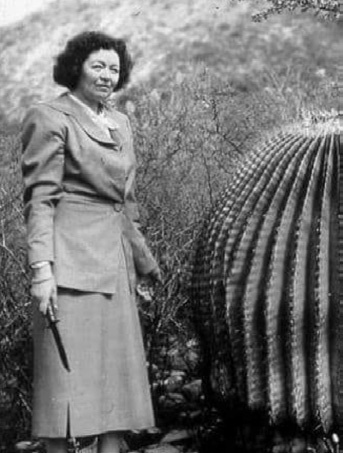
Biologist Edith Berkeley, an expert on polychaetes, key marine segmented worms in ecosystems, is born. She brought prestige to the Nanaimo Biological Station with her taxonomic work
September 2, 2001
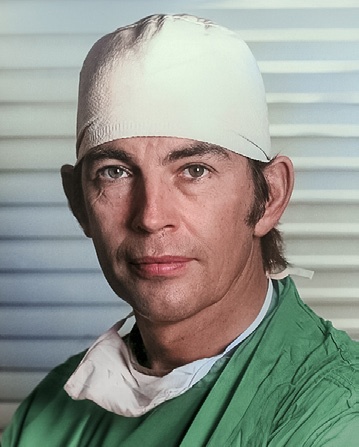
Surgeon Christiaan Barnard dies. He performed the first successful human heart transplant in 1967, revolutionizing cardiac medicine worldwide
September 3, 2020
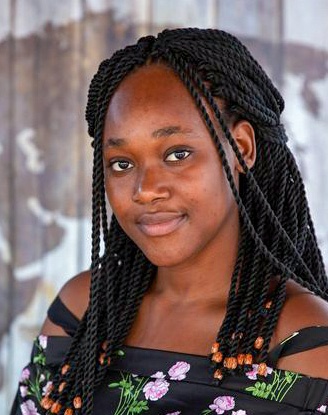
Engineer Charlette N’Guessan becomes the first woman to win the Africa Prize for Innovation in Engineering for her facial recognition and AI system for verifying identities
September 4, 1959
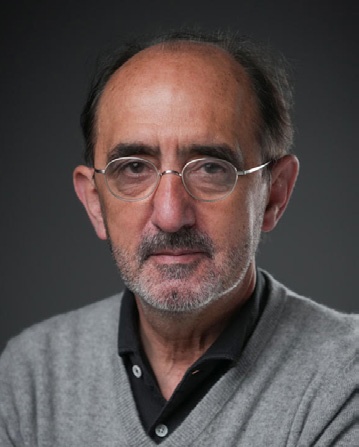
Philosopher and essayist Daniel Innerarity is born. Through his theory of complex democracy, he has contributed to adapting the normative principles of democracy to contemporary societies
September 5, 1893
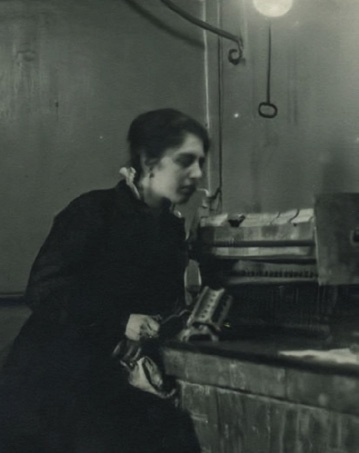
Chemist Susi Glaubach is born. She worked on the formation of glycerol during alcoholic fermentation. She also studied insulin production with pharmacologist Ernst Peter Pick
September 6, 1968
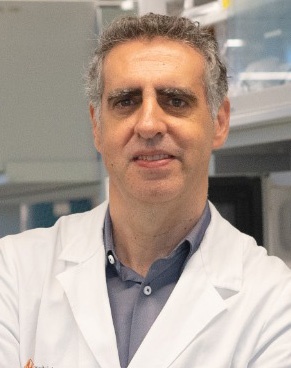
Physician Manel Esteller Badosa is born. He is an international authority on epigenetics, and his work is key to better understanding, among other things, the transformation process of cancer cells
September 7, 1830
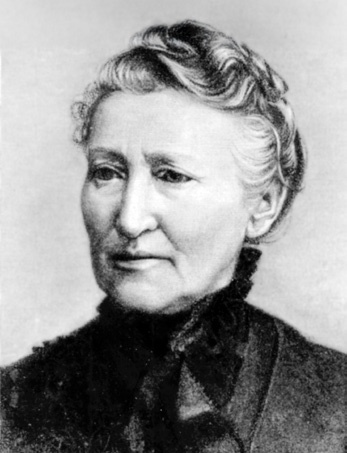
Mary Davis Treat, naturalist, is born. She collaborated with Charles Darwin through correspondence, contributing key observations on carnivorous plants
September 8, 1923
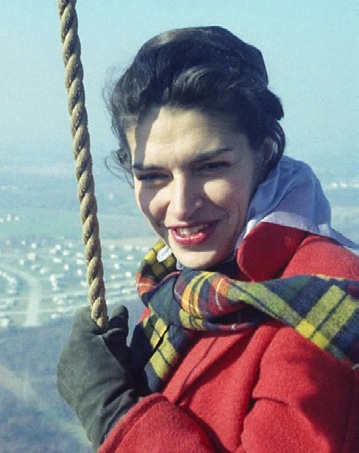
Eleanor Vadala, engineer, is born. She was director of research at the Naval Air Development Center in Pennsylvania, where she developed lightweight synthetic materials for use in aircraft
September 9, 1974
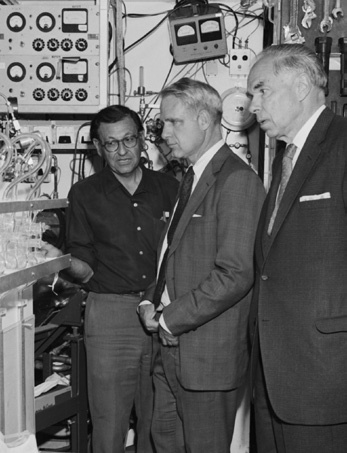
Albert Ghiorso and Glenn T. Seaborg announce the discovery of seaborgium (atomic number 106). This radioactive element was named in honor of Seaborg, a pioneer in nuclear and transuranic chemistry
September 10, 1894
Physician Maria Hervás Moncho is born. During the Spanish Civil War, she directed the transfusion serology laboratory in Valencia, improving syphilis diagnoses and blood safety
September 11, 1945
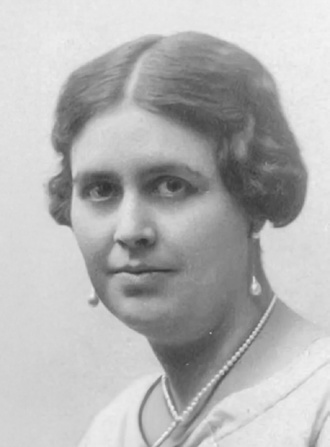
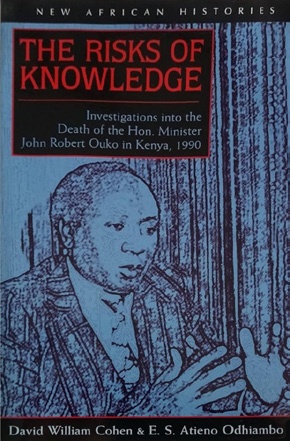
Historian and academic Eisha Stephen Atieno Odhiambo is born. He analyzed the risks of knowledge and power in Africa from the perspectives of history and culture
September 12, 1940
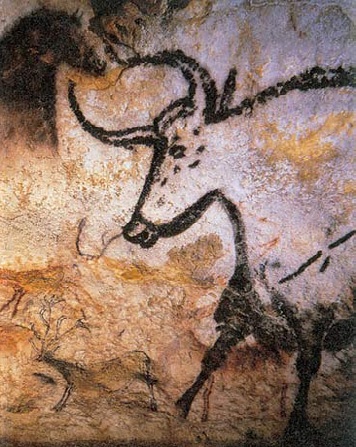
The Lascaux Cave (France) is discovered. Its Paleolithic paintings, with more than 600 animal figures, are a World Heritage Site and key to understanding prehistoric European art
September 13, 1913
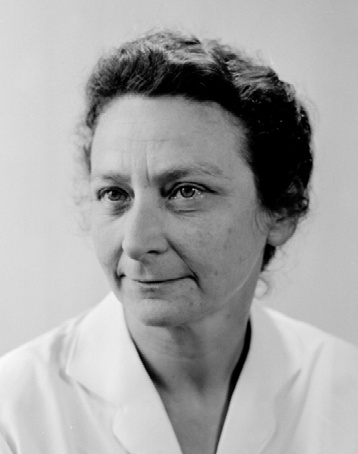
Archaeobotanist Maria Hopf is born. In 1968, she co-founded the IWGP, a key group that promotes the international study of archaeological plant remains to understand the human-plant relationship
September 14, 1881
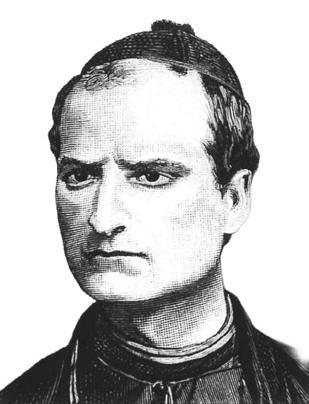
Writer, linguist, and folklore collector Juan Antonio Saco y Arce dies. He was the author of the Gramática Gallega (1868), the first scientific description of the Galician language
September 15, 1948
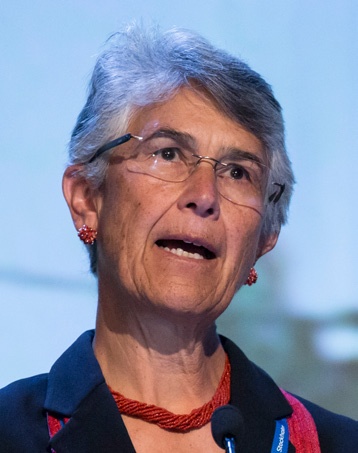
Conservationist Yolanda Kakabadse Navarro is born. She was the first woman president of the International Union for Conservation of Nature (IUCN). She also chaired WWF
September 16, 1933
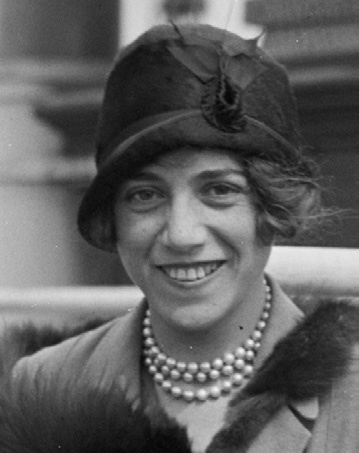
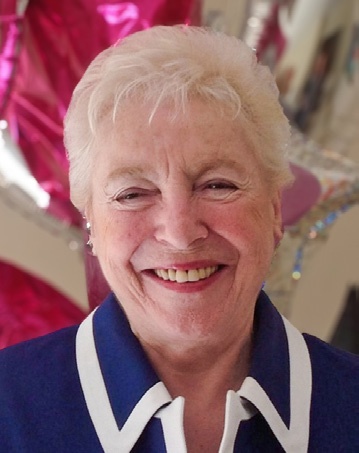
Stephanie Shirley, a pioneer in computer science, is born. In 1962, she founded Freelance Programmers, a software company that promoted flexible work-from-home opportunities, primarily for women
September 17, 1844
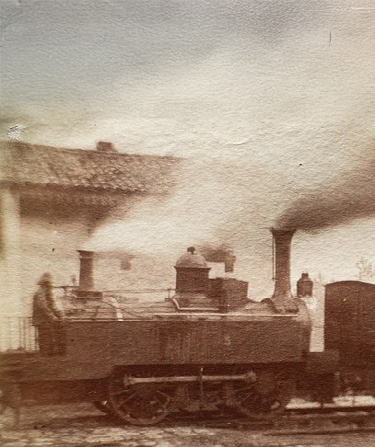
Construction of a railway line from the coal mines of Llangréu/Langreo and Siero to the port of Xixón/Gijón is authorized. It was the first industrial railway line in Spain
September 18, 1943
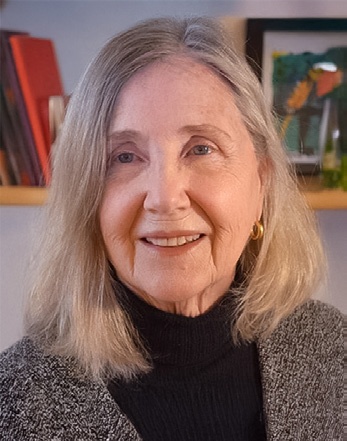
Nan McKenzie Laird is born. In 2021, she won the International Statistics Award for developing methods to analyze data collected over time in complex longitudinal studies
September 19, 1813
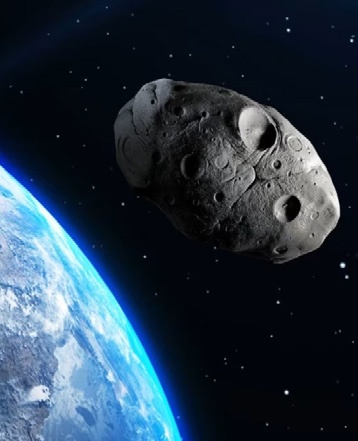
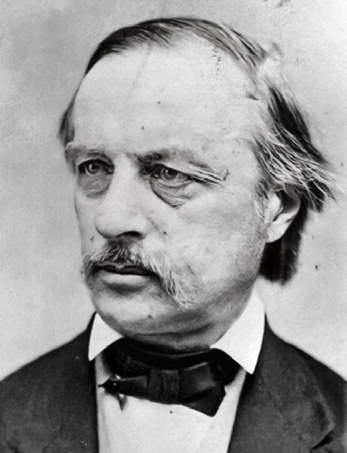
Astronomer Christian Heinrich Friedrich Peters is born. He discovered 48 asteroids between 1861 and 1889 and produced star charts that marked a milestone in modern astronomy
September 20, 1994
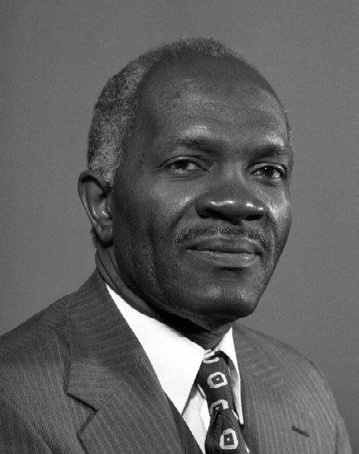
Physician Abioseh Davidson Nicol dies. He described the breakdown of insulin in the human body, a significant advance in the treatment of diabetes
September 21, 1842
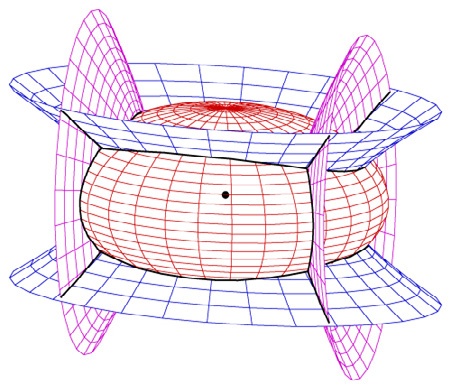
Mathematician and astronomer James Ivory dies. He formulated Ivory’s theorem: in a family of confocal conic sections, the diagonals of certain quadrilaterals have equal length
September 22, 1991
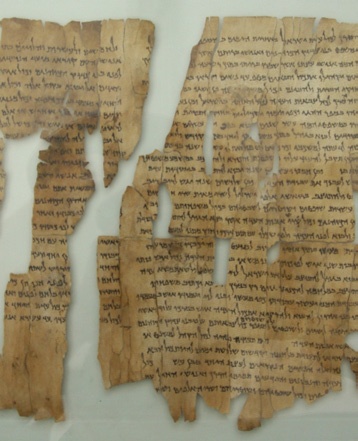
The Huntington Library (Los Angeles) exhibits the Dead Sea Scrolls to the public for the first time. Their study is key to understanding the birth of Christianity within Judaism
September 23, 1848
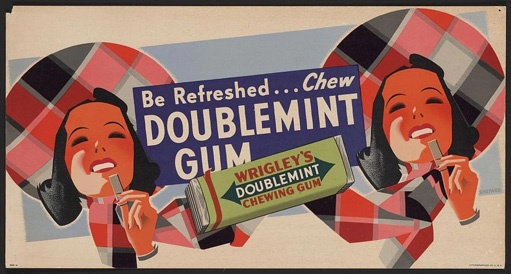
John Curtis produces the first commercial chewing gum in the U.S. using fir gum. Its success marked the beginning of an industry that later incorporated flavors and became popular globally
September 24, 1981
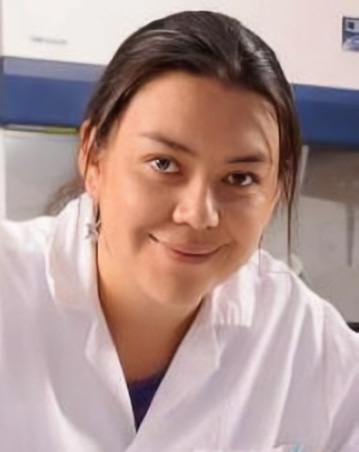
Marine biologist Diana Marcela Bolaños Rodríguez is born. She is known for her studies on platyhelminths, a phylum of invertebrates known as flatworms
September 25, 1970
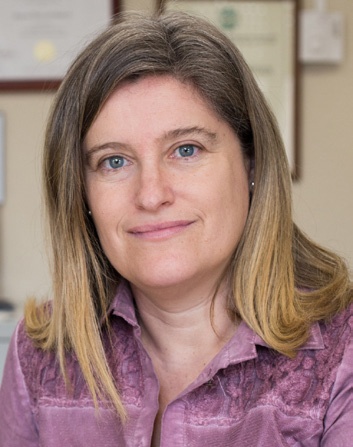
Physicist Susana Marcos Celestino is born. Specializing in optics, she is recognized for her contributions to the development of diagnostic and corrective instruments in ophthalmology
September 26, 1904
Astronomer Reysa Bernson is born. She is known for her work popularizing astronomy in France through public demonstrations and the development of planetariums
September 27, 1822
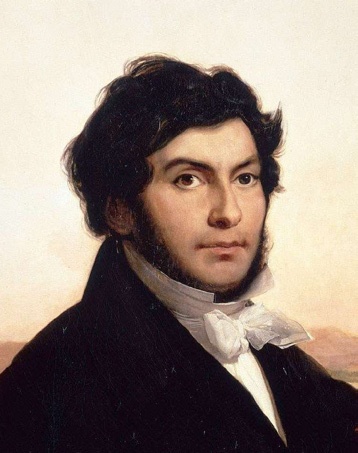
Jean-François Champollion announces that he has deciphered the Rosetta Stone, key to understanding hieroglyphics and giving rise to modern Egyptology
September 28, 2026
World Rabies Day is celebrated. Promoted since 2007 by the World Alliance for Rabies Control, it is a tribute to Louis Pasteur, creator of the first rabies vaccine